Preventive Maintenance
Commercial Refrigeration
Scheduled refrigeration maintenance focuses on cleanliness, airflow, temperature control, electrical condition, leak inspection, defrost operation, and early detection of conditions that can lead to product loss or equipment failure.
The service includes cleaning and inspecting the evaporator and condenser coils, checking fan blades and motors, clearing the drain pan and drain line, and verifying proper airflow. Door gaskets, hinges, closers, latches, sweeps, panels, and penetrations are inspected for damage, air leaks, and condensation. The system is checked for refrigerant and oil leaks. Electrical connections, contactors, capacitors, disconnects, thermostat, temperature sensors, pressure controls, and alarms are inspected and tested. Operating temperatures, refrigerant pressures, superheat, and subcooling are recorded when applicable. The cooler is monitored through a complete operating cycle, and any condition that could cause product loss, excessive energy use, or equipment failure is documented for repair.
The service includes cleaning and inspecting the evaporator and condenser coils, checking fan blades and motors, clearing the drain pan and drain line, and removing abnormal ice buildup. Door gaskets, hinges, latches, door heaters, sweeps, panels, and penetrations are inspected for damage, air leaks, frost, and condensation. The system is checked for refrigerant and oil leaks. Electrical connections, contactors, capacitors, disconnects, thermostat, temperature sensors, pressure controls, and alarms are inspected and tested. Where equipped, the defrost timer or controller, defrost heaters, drain heater, and defrost termination and fan-delay controls are tested. Operating temperatures, refrigerant pressures, superheat, and subcooling are recorded when applicable, and the freezer is monitored through refrigeration and defrost operation.
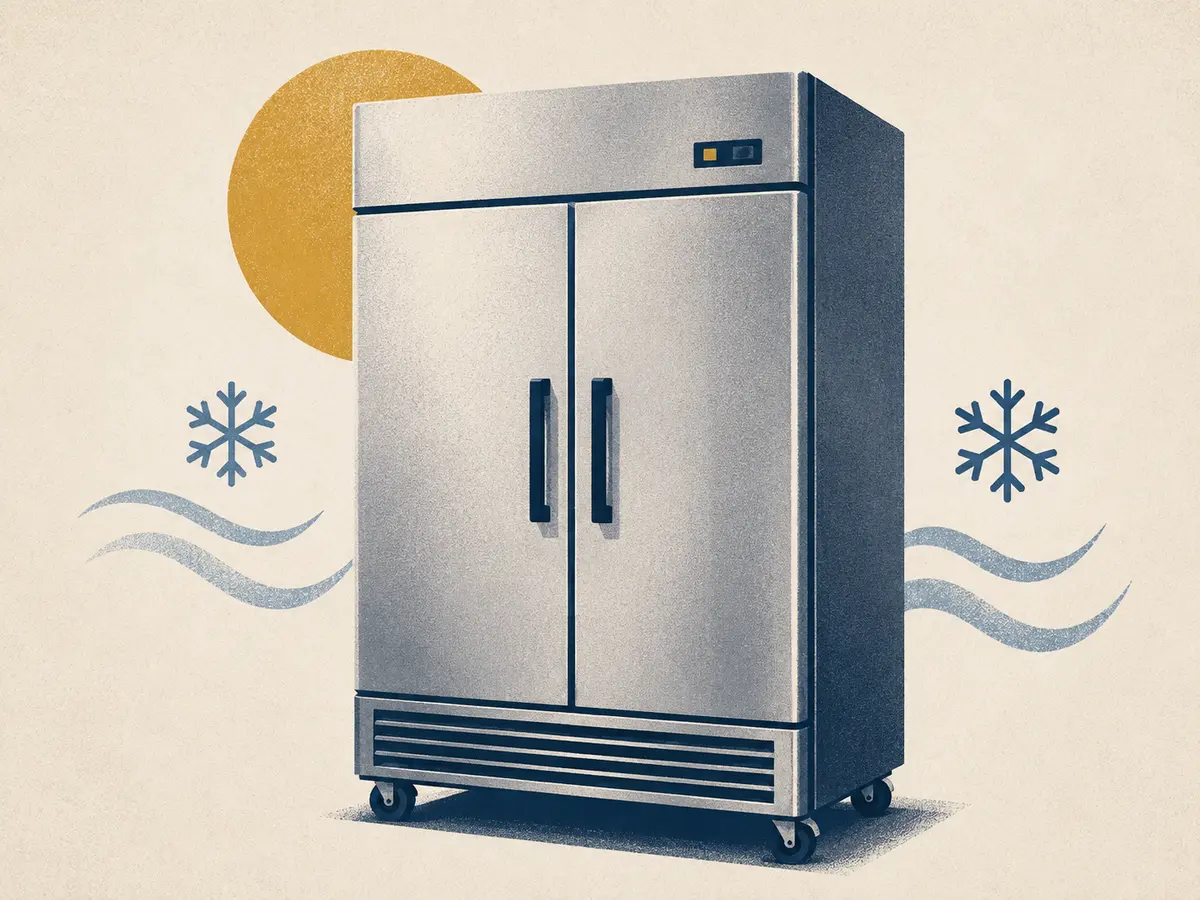
Maintenance includes cleaning condenser and evaporator areas as accessible, checking fan motors and blades, verifying cabinet temperatures and airflow, inspecting doors and gaskets, clearing drains, and checking defrost components where equipped. Electrical components, controls, refrigerant and oil leak conditions, compressor operation, and overall cooling performance are inspected and documented.
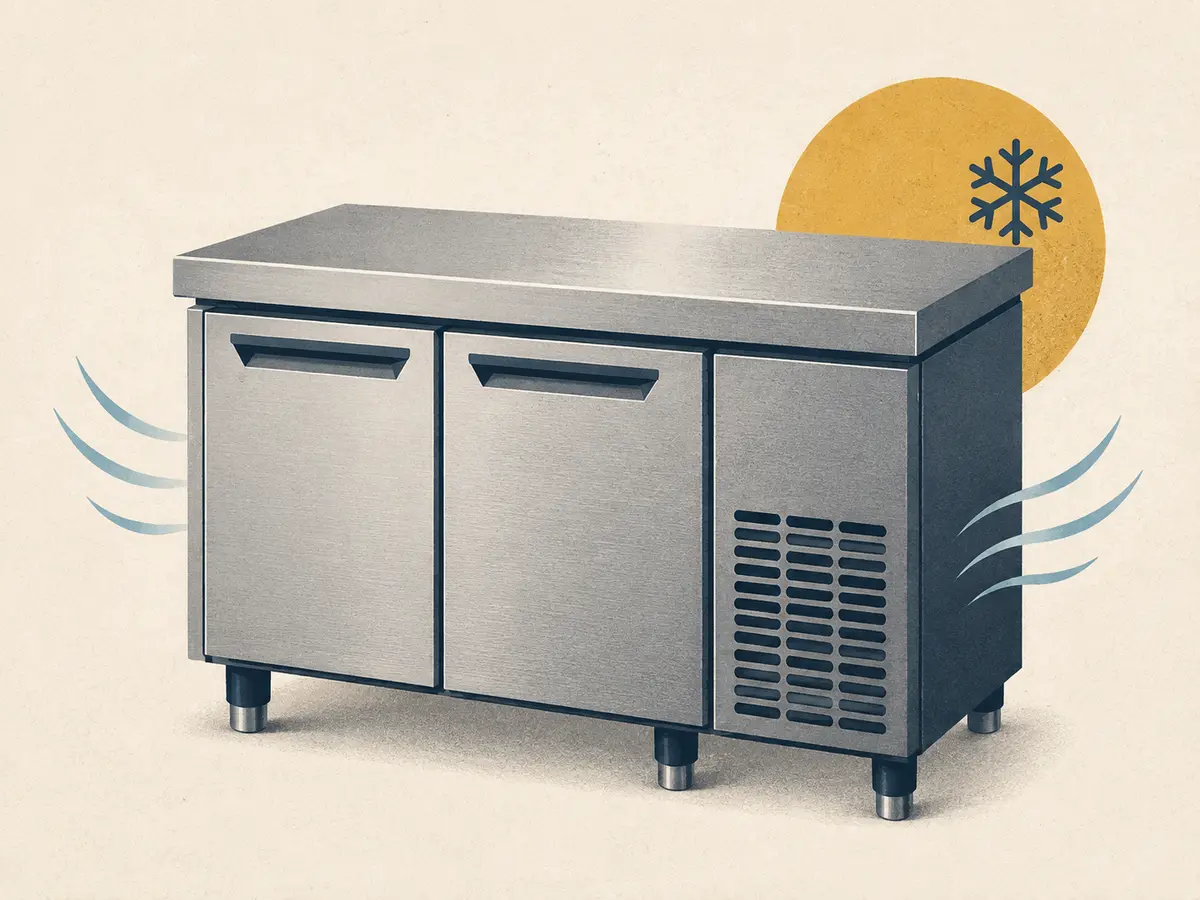
Service includes condenser cleaning, evaporator and fan inspection, temperature and airflow checks, drain cleaning, gasket and door inspection, and verification of controls and electrical components. Refrigeration performance and visible refrigerant or oil leak conditions are checked while also confirming the unit has adequate ventilation and operating clearance.
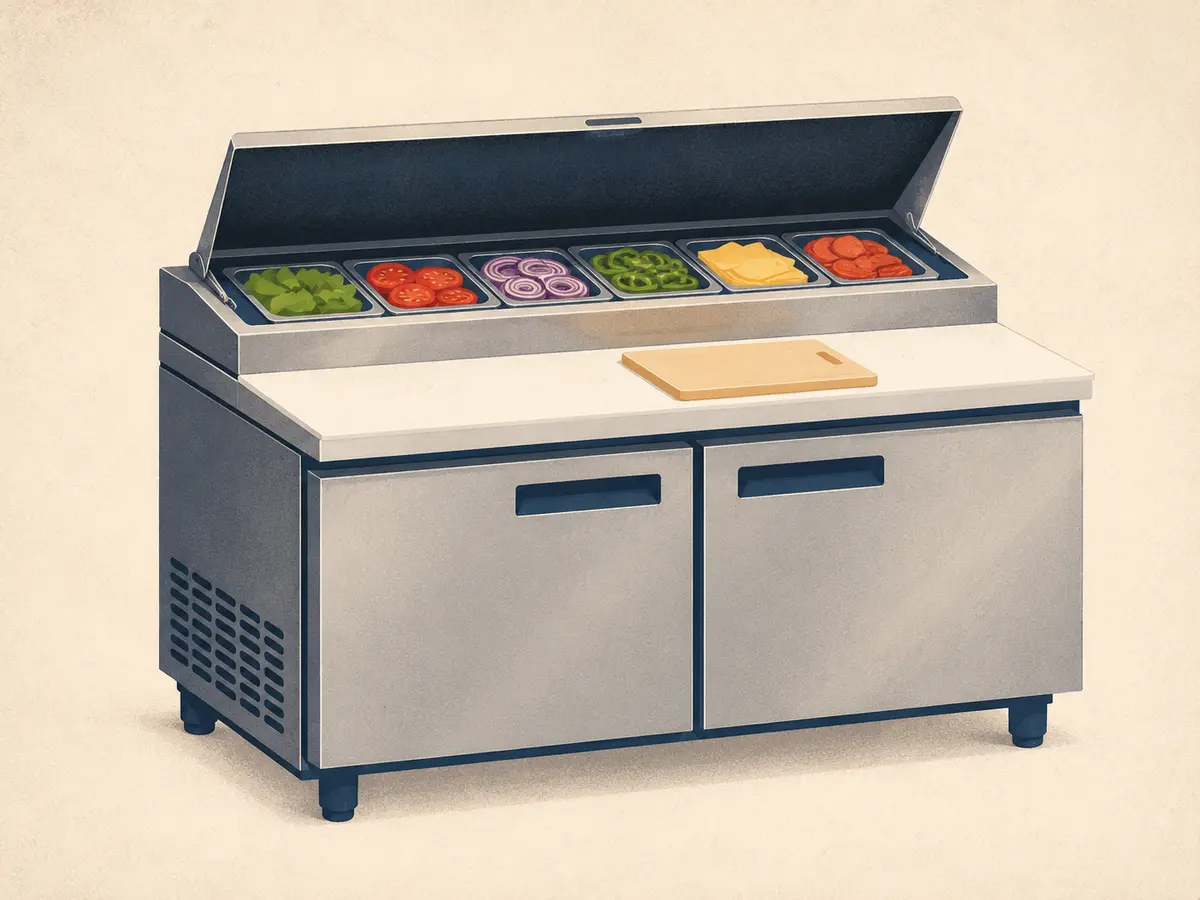
Preventive maintenance includes cleaning coils and condenser areas, checking fans and airflow, verifying pan rail and cabinet temperatures, inspecting drawers, doors, gaskets, drains, controls, and electrical components, and checking the refrigeration system for abnormal operation or visible leaks. Product-holding areas are checked for conditions that can cause uneven temperatures.
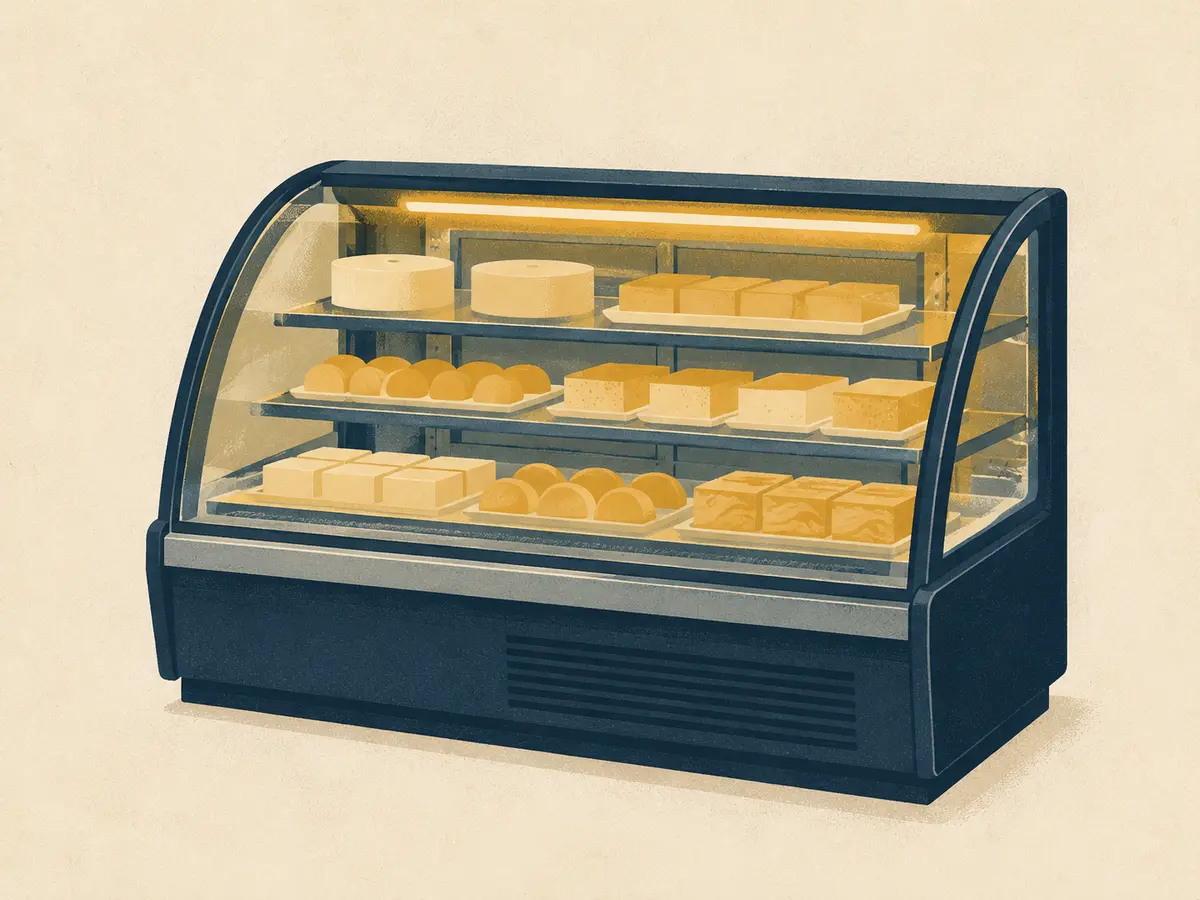
Maintenance includes case temperature and airflow checks, coil and fan inspection, condenser cleaning where applicable, drain and defrost checks, door and seal inspection, lighting and control checks, and review of electrical and refrigeration operation. Conditions that can affect product temperature, visibility, or case performance are documented for repair.
Commercial HVAC
Commercial HVAC maintenance is built around the actual equipment on site, with checks for airflow, filters, coils, motors, belts, drainage, electrical components, controls, heating operation, cooling operation, and refrigerant performance where applicable.
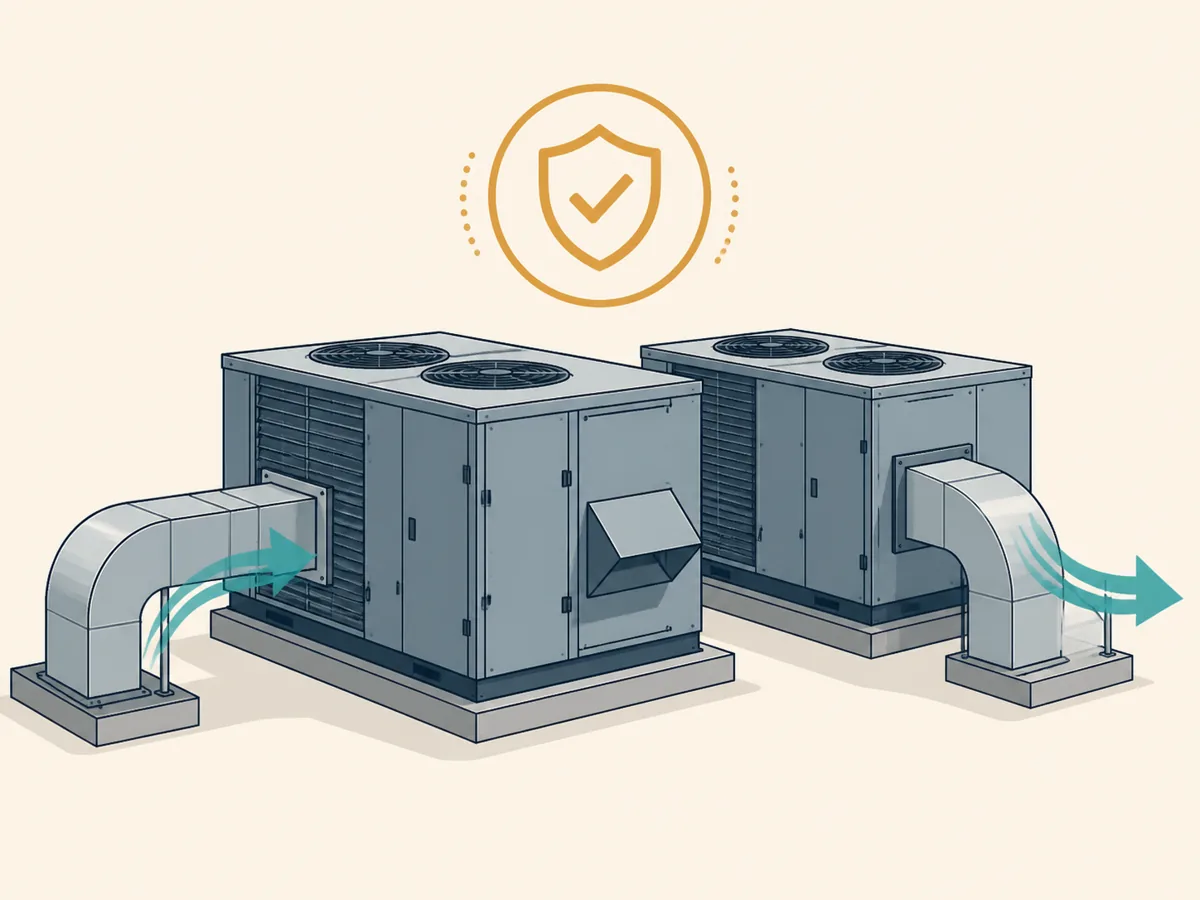
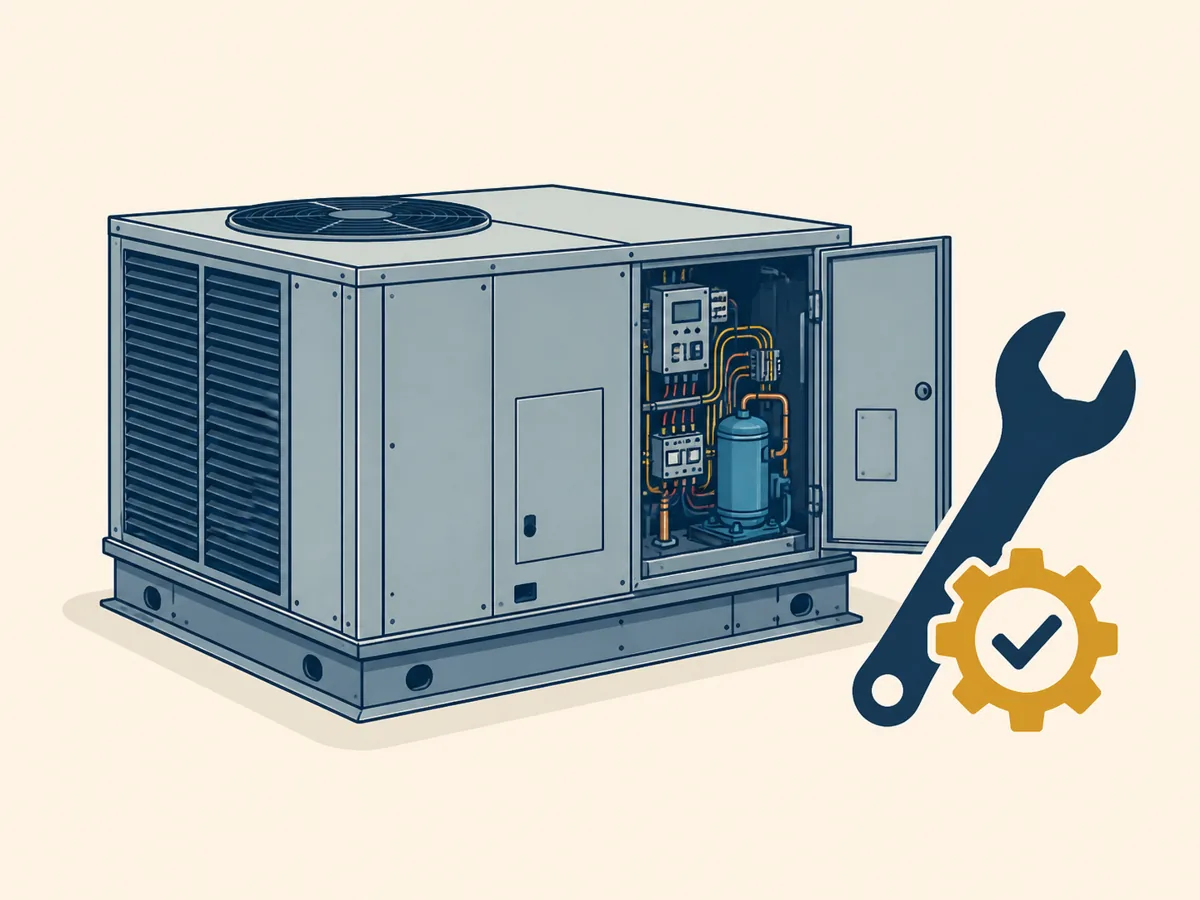
RTU maintenance includes filter inspection or replacement as scoped, condenser and evaporator coil inspection, blower and condenser fan checks, belt inspection and adjustment, condensate drain checks, electrical inspection, thermostat and control verification, and heating and cooling operation. Refrigerant pressures, temperatures, superheat, and subcooling are checked when applicable, along with economizer and gas-heat operation where equipped.
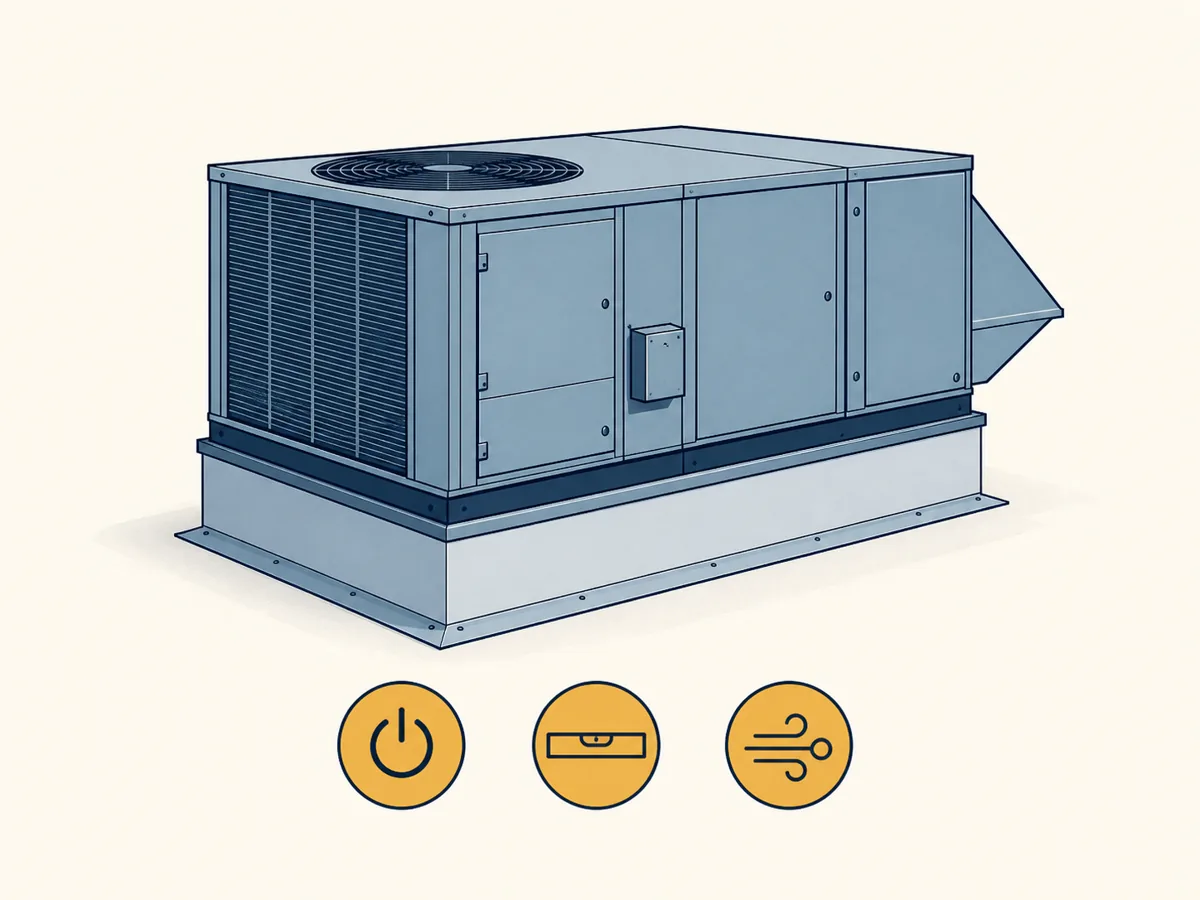
Service covers both indoor and outdoor sections, including filters, coils, blower assemblies, condenser fans, drains, electrical connections, contactors, capacitors, thermostats, controls, and refrigerant performance. Heating and cooling operation is verified and any abnormal noise, vibration, temperature, or airflow condition is documented.
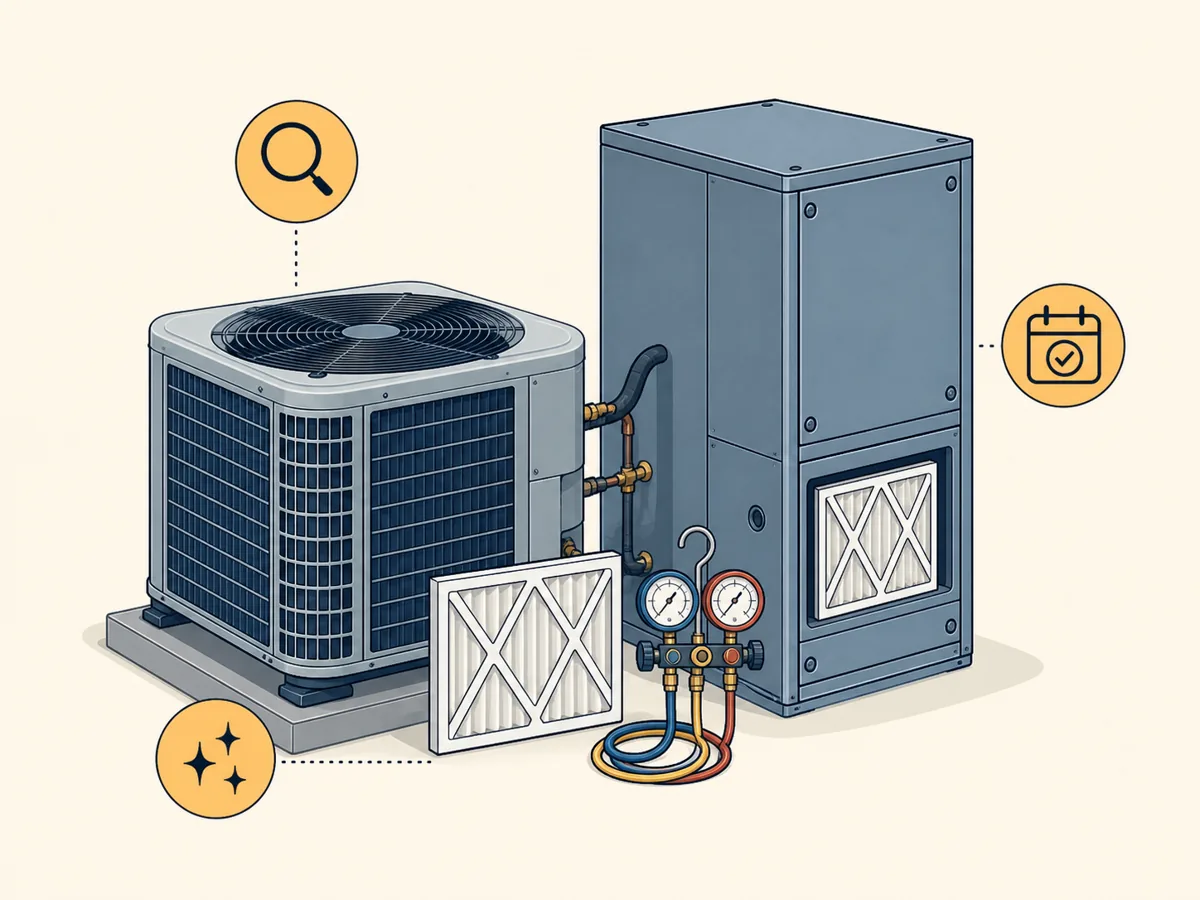
Heat pump maintenance includes filters, coils, fan motors, blower components, electrical connections, controls, condensate drainage, and refrigerant performance. Heating and cooling modes are checked along with reversing-valve and defrost operation when conditions allow, with temperature and airflow readings used to verify system performance.
Maintenance includes filters, blower wheels, motors, belts, bearings, coils, dampers, drain pans, condensate drains, sensors, electrical components, and controls. Supply and return airflow are evaluated and abnormal vibration, noise, water conditions, or restricted airflow are documented.
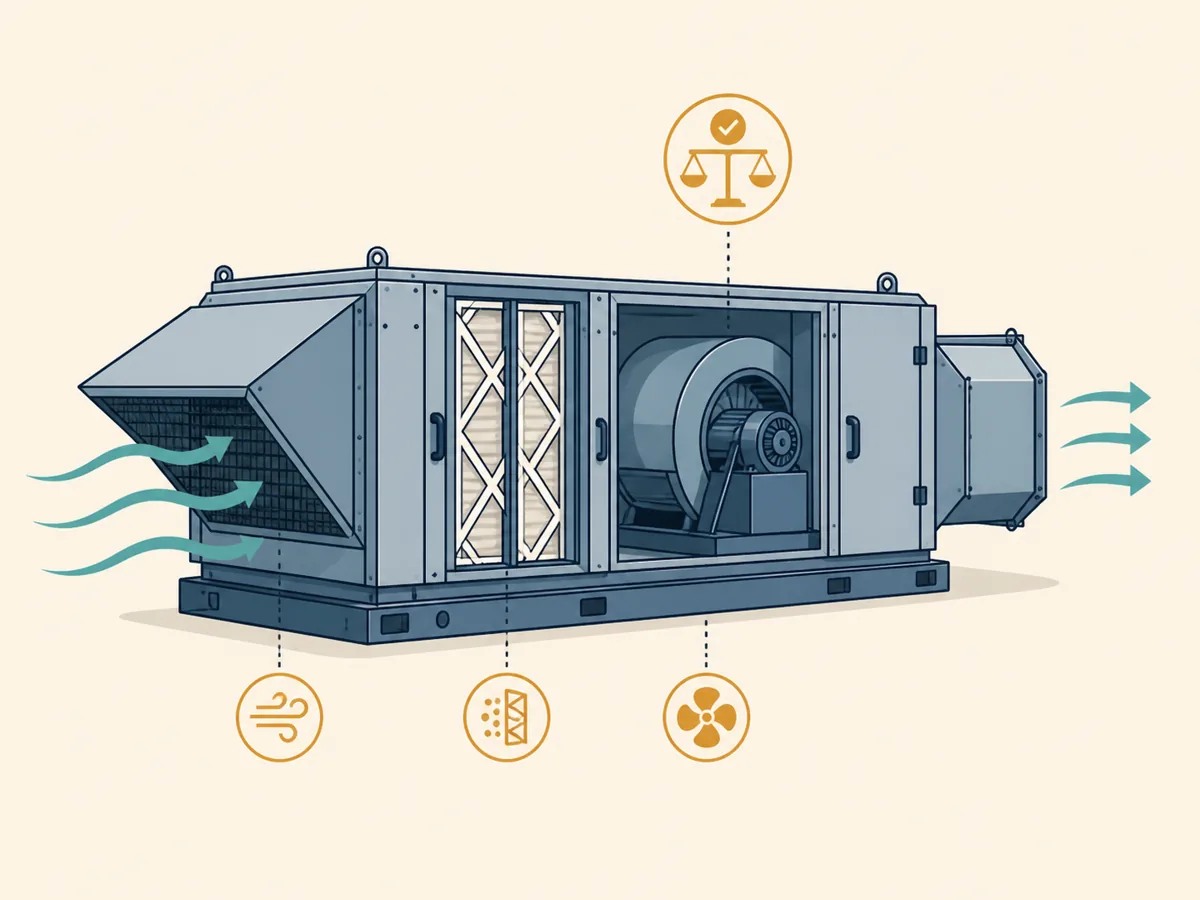
Service includes intake and filter inspection, blower and motor checks, belts, bearings, dampers, electrical components, controls, heating components, ignition and safeties where equipped, and airflow verification. The unit is checked for proper replacement-air operation in relation to the building exhaust system.
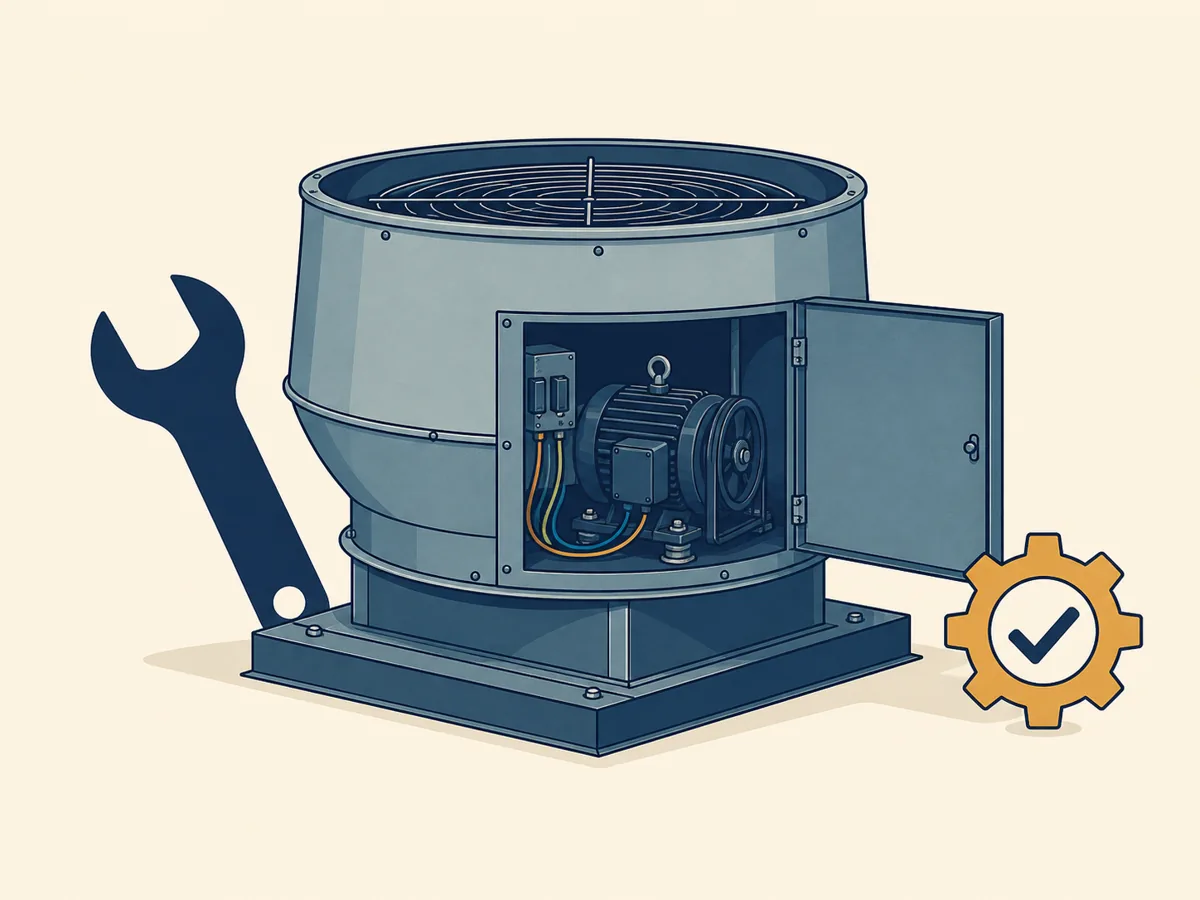
Preventive maintenance includes fan motor, belt, bearing, wheel, mounting, electrical, control, noise, vibration, and airflow checks on qualifying exhaust and ventilation equipment. Accessible buildup that can affect fan operation is noted, and mechanical or electrical wear is documented before it causes a shutdown.
Heating maintenance includes burner and ignition checks, flame proving, gas valve and safety operation, visual heat-exchanger inspection where accessible, blower and motor checks, filters, electrical components, thermostat operation, and venting condition. The heating sequence is verified and lockout or cycling conditions are documented.
Control maintenance includes checking control voltage, thermostats, zone sensors, relays, contactors, control boards, safeties, wiring, and heating or cooling calls. The operating sequence is verified to confirm the equipment is receiving and responding correctly to control signals.
Ice Machines
Ice machine preventive maintenance combines cleaning, descaling, water-system checks, refrigeration inspection, cycle verification, and controls testing to help protect ice quality and production.
The maintenance procedure includes a wash cycle with approved ice machine cleaner, as well as cleaning all parts and inspecting the evaporator plate for separation. It involves checking and cleaning the sump trough, adjusting its water level, and inspecting the float valve and flush solenoid for leaks and proper activation. The unit is checked for water, refrigerant, and oil leaks, and the water curtain activator switch is inspected. Adjustments are made to the probe assist length, bin switch, cam switch, and cycle times for freeze and defrost. Ice bridge thickness is checked, and the flaker chute, spout, and proximity switch are inspected. The gear motor and auger housing are examined, the water circuit is checked, bin controls, hopper, and dispenser are tested, and the RTU condenser coils are brushed.
Beverage Equipment
Scheduled beverage-equipment service helps maintain product quality, dispensing consistency, sanitation, cooling performance, and dependable operation of product, water, gas, and refrigeration systems.
This service includes flushing all syrup lines with hot water and Food-Safe Sanitizers. It also includes checking and adjusting the ice gate and door operation, as well as verifying proper CO2 pressures. All syrup and water valves were inspected; if any issues were identified, the site was advised to place a service call. The ice bin drain was cleared. Drains and hoses were inspected for condition, proper routing, functionality, and leaks. Water and syrup flow rates were checked and adjusted for proper Brix levels. The system was scanned for active fault errors, with instructions to initiate a service call if any were found. Additionally, the horchata valve was removed and cleaned, and the connected hose was flushed until all buildup was eliminated.

The service included replacing the rear seal (40-0301-0003) on each barrel and verifying that all transducers were reading properly. The dispense handle was inspected to ensure it was clean and not leaking product. Brix levels for all products were checked and adjusted as needed. The unit's error history was reviewed, and the interior of each unit was inspected for leaks from barrels or product lines. Merchandiser lights were checked for proper operation. Any damage to the beater bar, front faceplate, and motor shaft was documented. Additionally, the refrigeration inlet and outlet probes were tested for proper functionality.
Maintenance includes cleaning and inspection of barrels or bowls, seals, augers or beaters, drive components, dispensing assemblies, product and water lines, condenser airflow, refrigeration components, probes, controls, and error history. Product ratio, freeze consistency, recovery, leaks, and operating temperatures are checked and adjusted when applicable.
Service includes cleaning dispensing components, checking water and concentrate flow, verifying ratios, inspecting pumps, valves, tubing, nozzles, cooling operation, drains, controls, and leaks. Product temperature and dispensing consistency are checked so weak, strong, warm, or intermittent product conditions can be identified early.
The service included flushing each product line with warm water and verifying that both dispense nozzles have O-rings in place. The control board was inspected to confirm that both the ice bath and upper compartment LEDs were showing green. For units with a generator, proper cycling off was verified. The ice bath water level was checked, and the water pump was confirmed to be cycling properly.

The service included testing the defrost timer and removing product to check for ice build-up. Any damage to product valve gates was noted, and dust or build-up around the fans and condenser coils was cleaned. Additionally, any damage to the door latch was documented.
Coffee & Tea Equipment
Coffee and tea preventive maintenance focuses on water delivery, heating, brew temperature and volume, scale condition, valves, controls, dispensing components, and cleaning of the parts that directly affect beverage quality.
Maintenance includes checking fill operation, brew temperature and volume, heating components, sprayheads, brew valves, probes, switches, warmers, electrical connections, and visible scale buildup. The brew path is cleaned as appropriate and a test brew is used to verify consistent operation.
The service included checking the burners and warmers, and adjusting the water temperature to 195°. The technician ensured the tank was filling properly, cleaned the sprayhead and brew line, and checked all switches and electrical components. The hot water spout seatcup was inspected, and a sprayhead and bypass calibration was performed.

Verified functionality of key components including switches, probes, motors, valves, and exhaust fan. Inspected drip tray for damage. Replace several whipper system parts: plate, slinger, propeller, shaft seal, and O-ring to ensure optimal operation.
Preventive maintenance includes water and filtration checks, boiler and heating operation, pump pressure, group heads, valves, steam and hot-water systems, replacement of group head gaskets, seals, drains, controls, and visible scale or leaks. Cleaning and operational checks are completed based on the manufacturer and machine configuration.
Commercial Cooking Equipment
Cooking-equipment maintenance focuses on cleaning, heating performance, airflow, motors, thermostats, sensors, controls, doors, gaskets, wiring, and other components that affect safe and consistent operation.
Performed thorough cleaning and inspection of key components, including the upper area, magnetron heat fins, fans, filters, exhaust system, and lower element area. Checked waveguides, transformers, and magnetron for any signs of damage or wear.
Service includes cleaning and inspecting rollers, drive motors, gears, bearings, heating zones, thermostats, controls, wiring, and power connections. Roller movement and heat consistency are verified, and abnormal noise, cold spots, worn drive components, or intermittent operation are documented.
Maintenance includes cleaning and checking heating elements, thermostats, temperature sensors, fans, airflow, controls, shelves, doors, seals, lighting, and electrical connections. Temperature holding and recovery are verified to identify uneven heat or components beginning to fail.
Multi-Location Preventive Maintenance
Coordinate scheduled maintenance across multiple Denver metro locations with consistent service documentation, equipment checks, cleaning, and filter-change planning.